
Biosecurity battles
I'm talking reality TV show Border Security, cane toads and the 'acclimatisation' movement.
Dearest Particle reader,
I got stuck in a YouTube rabbit hole last week, and ended up on a Border Security compilation. This country loves biosecurity so much they got half a TV show out of it (the other half of course related to smuggling and visas).
If you’ve flown into WA, the first thing you’ll recognise walking through the airbridge is the smooth, dulcet tones of a man telling you to bin any and all animal or plant products. He even gently reminds you that sniffer dogs operate in the baggage claim area.
If you’ve flown in from overseas, the biosecurity warnings are less smooth and dulcet, and more of a yell-y, ‘I FOUND A BANANA SKIN, PAY US $660 FOR ALMOST KILLING THE ENVIRONMENT AND AGRICULTURAL INDUSTRY’.
Taking biosecurity seriously is important — it stops pests that could kill the environment and agricultural industry. Biosecurity is the reason we have lots of lovely Aussie grown produce, and is also the reason hamsters are illegal in Australia.
Despite being so isolated, Australia is the mecca of invasive species. Cane toad, fruit fly, rabbit, camel, goat, pig, lantana, fire ant, prickly pear, cat, buffel grass, fox — you name it, we have it.
Some of these species arrived on purpose (e.g. cane toads), others stowed away and announced themselves on arrival (e.g. polyphagous shot-hole borer).
I thought we should take a trip down biosecurity lane, starting with what some of these animals are, how they got here, and how Australia is trying to fix it.
Let’s get into it.
If you thought I was going to start with a 101 on weeds, you’d be correct 🙂↕️
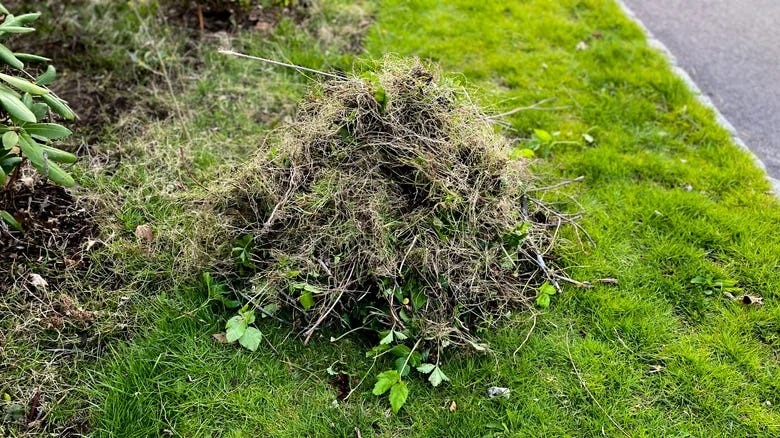
PARTICLE 101: WEEDS
What defines a weed? It’s a tricky question to get to the root of.
Generally, a weed is described as any plant whose presence is detrimental to the economic value, agricultural utility or health of nearby waterways.
Weed classification is dependent on environmental context. It’s the same for animals — it might be native to Australia, but if it’s not native to a specific area, it could be detrimental and therefore invasive. That’s the situation for lionfish that are swimming further south along the WA coast.
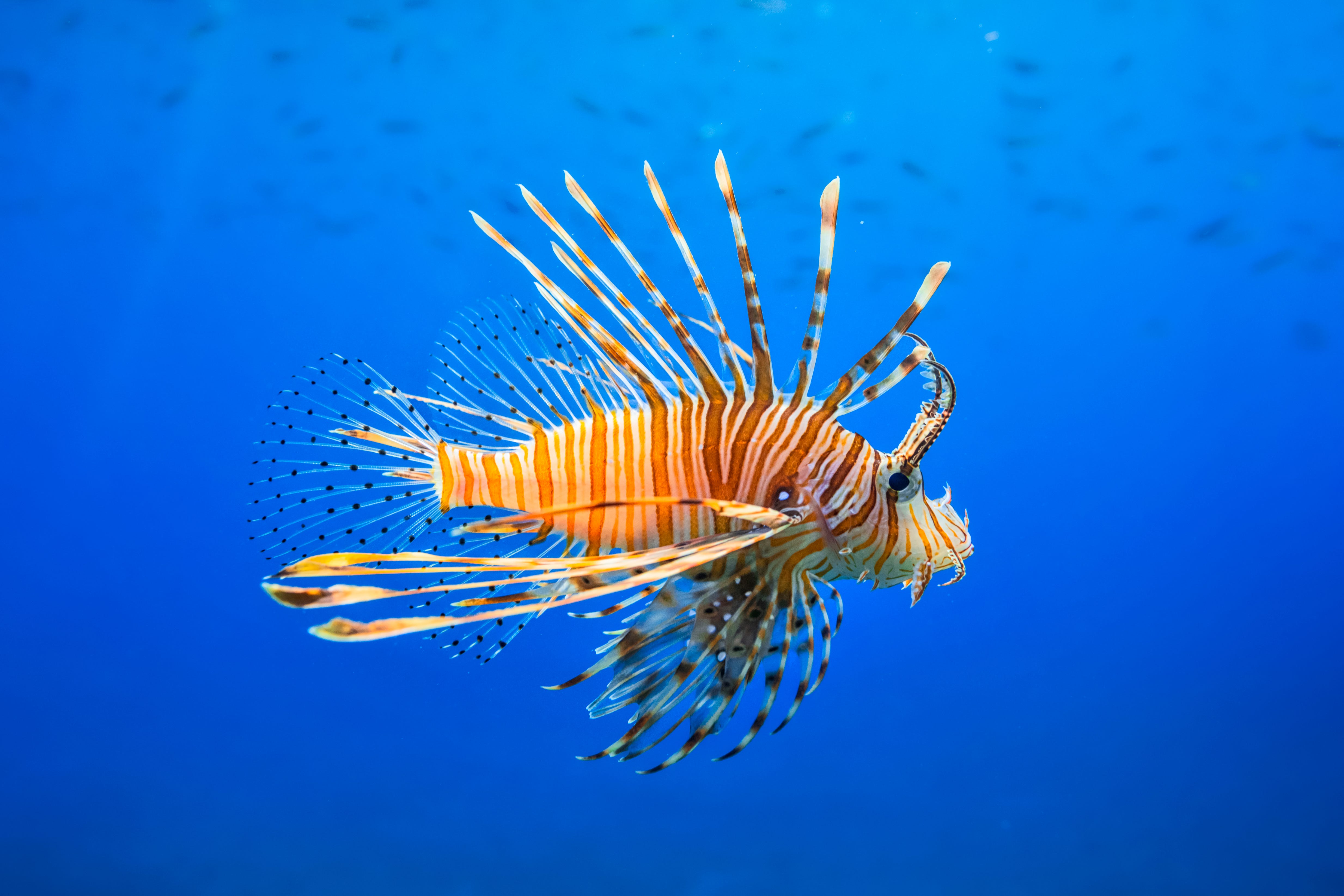
THE HEAT IS ON – IN OUR OCEANS
Colourful tropical fish are heading south along the WA coast, including around Rottnest. This sounds spectacular, but it’s not.
Perth isn’t a tropical region, which means that tropical fish shouldn’t be seen here. So why are they?
Biosecurity isn’t just about plants and animals — it’s also about disease.
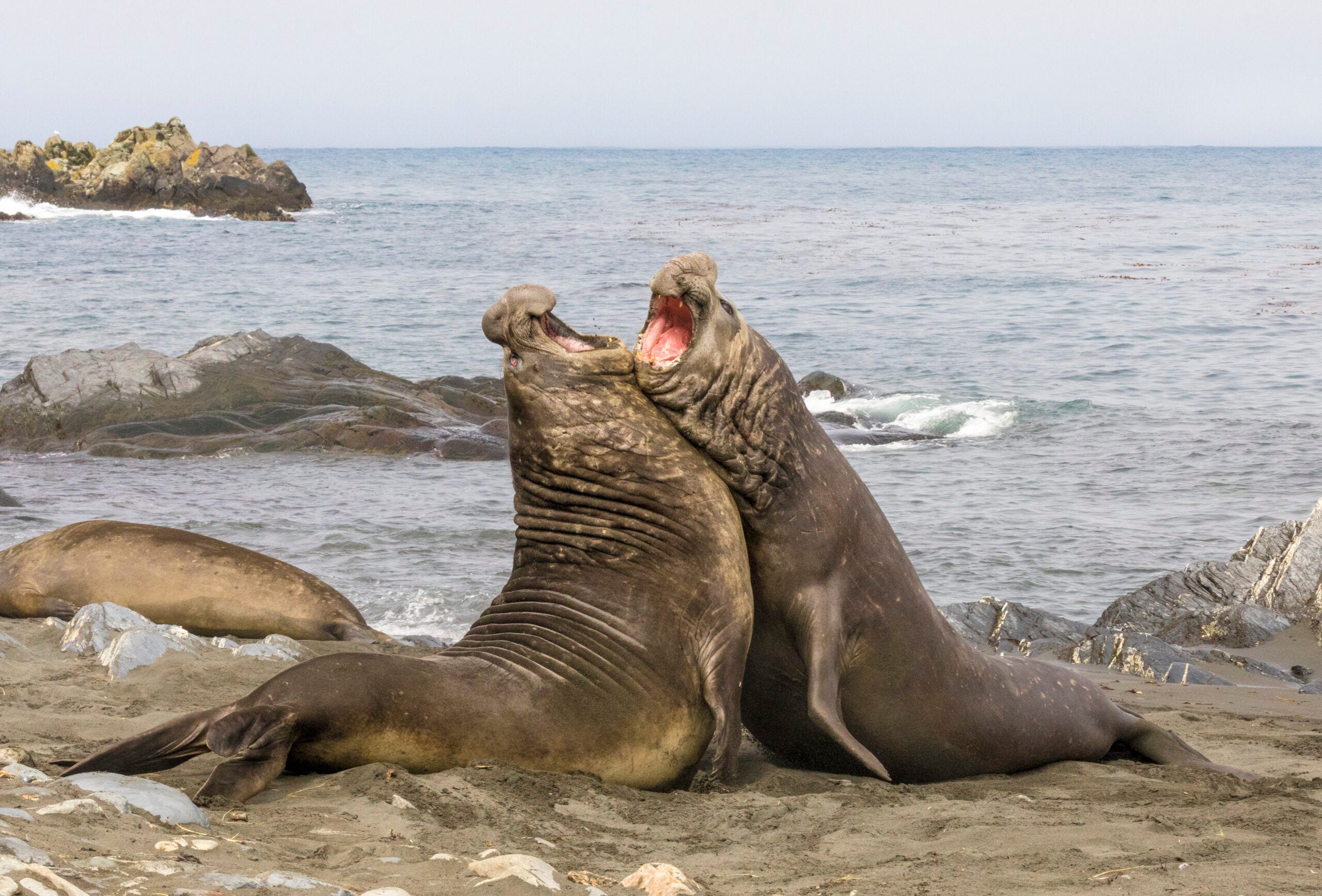
DEADLY BIRD FLU REACHES HEARD ISLAND
On Heard Island, a remote Australian subantarctic island some 4,000 km southwest of Perth, scientists were concerned after observing high mortality rates in the elephant seal population.
The cause of death? A highly infectious strain of bird flu known as H5N1.
This is the first time this strain has been detected on Australian territory.
Say a disease/beetle/plant arrives in Australia — WTF do we do about it?
How can we stop them?
Many scientists and researchers are using innovative methods to stop the spread of invasive pests and diseases. I’m talking sniffer dogs, genetic modification, plumbers (yes — plumbers) and joint land management.
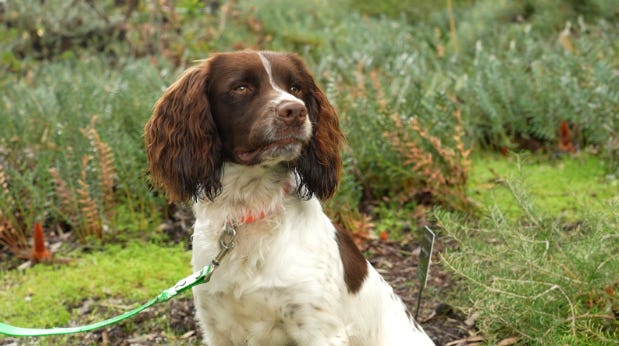
WA’S DIEBACK DOG SQUAD
The Department of Biodiversity, Conservation and Attractions (DBCA) is assembling its newest taskforce: sniffer dogs. Milo and Kelly are the latest recruits.
Backed by a $1.3 million grant from the Australian Governments Saving Native Species Program, these four legged friends are on the frontline against Phytophthora dieback.
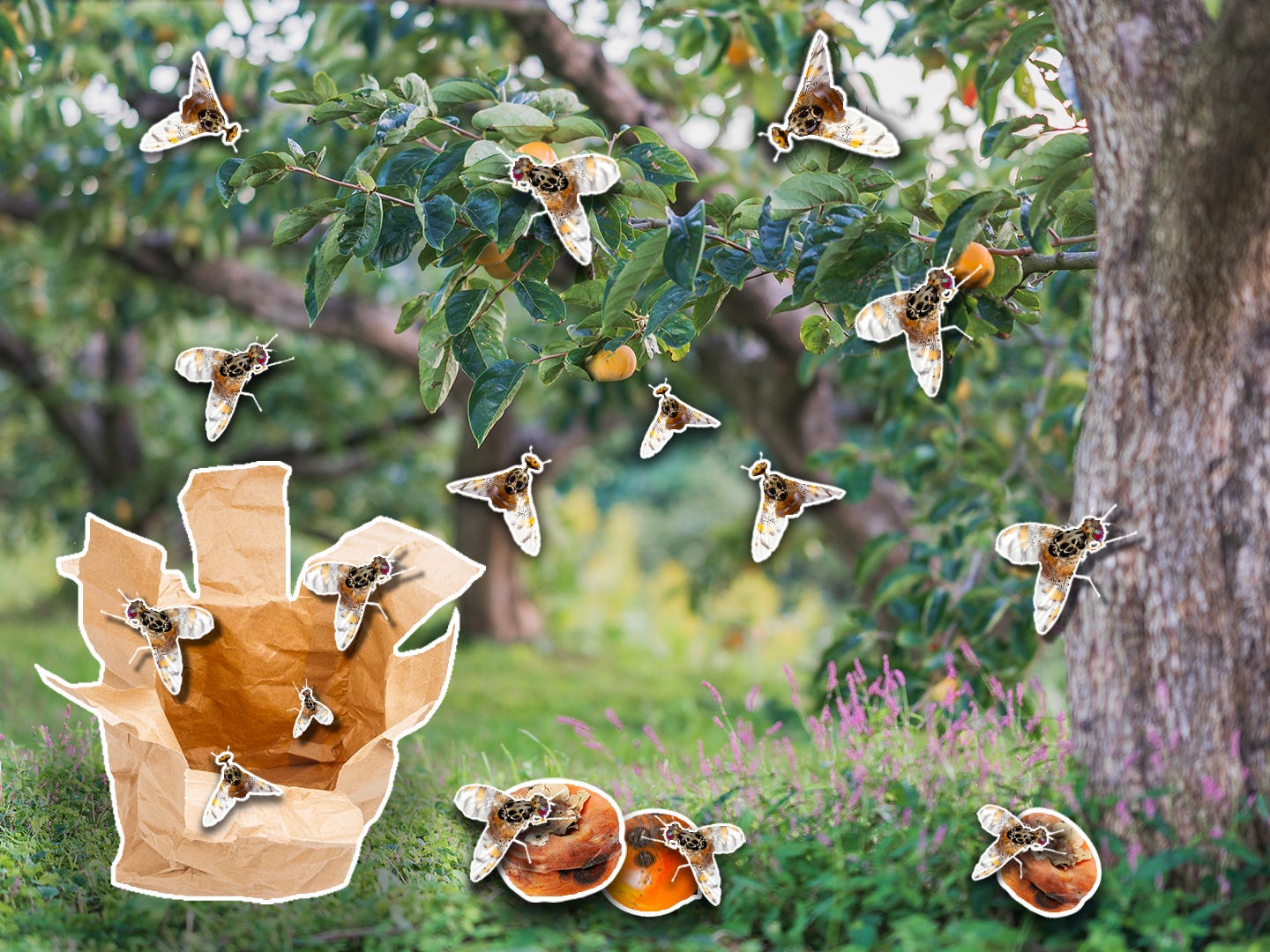
LORD OF THE FRUIT FLIES
When Vasilis Rodovitis rips open his brown paper bag in a sunny persimmon orchard just outside Naousa, in Greece, I half expect groceries to spill out.
Instead, a barely there grey cloud emerges. For half a week, the bag was home to some 4,000 Mediterranean fruit flies (Ceratitis capitata). The thumbnail-sized flies, which the scientists here simply call ‘Medfly’, quickly disappear into the orchard. …
They’re nearly invisible. They don’t buzz or bother like a house fly. But they’re far more destructive.
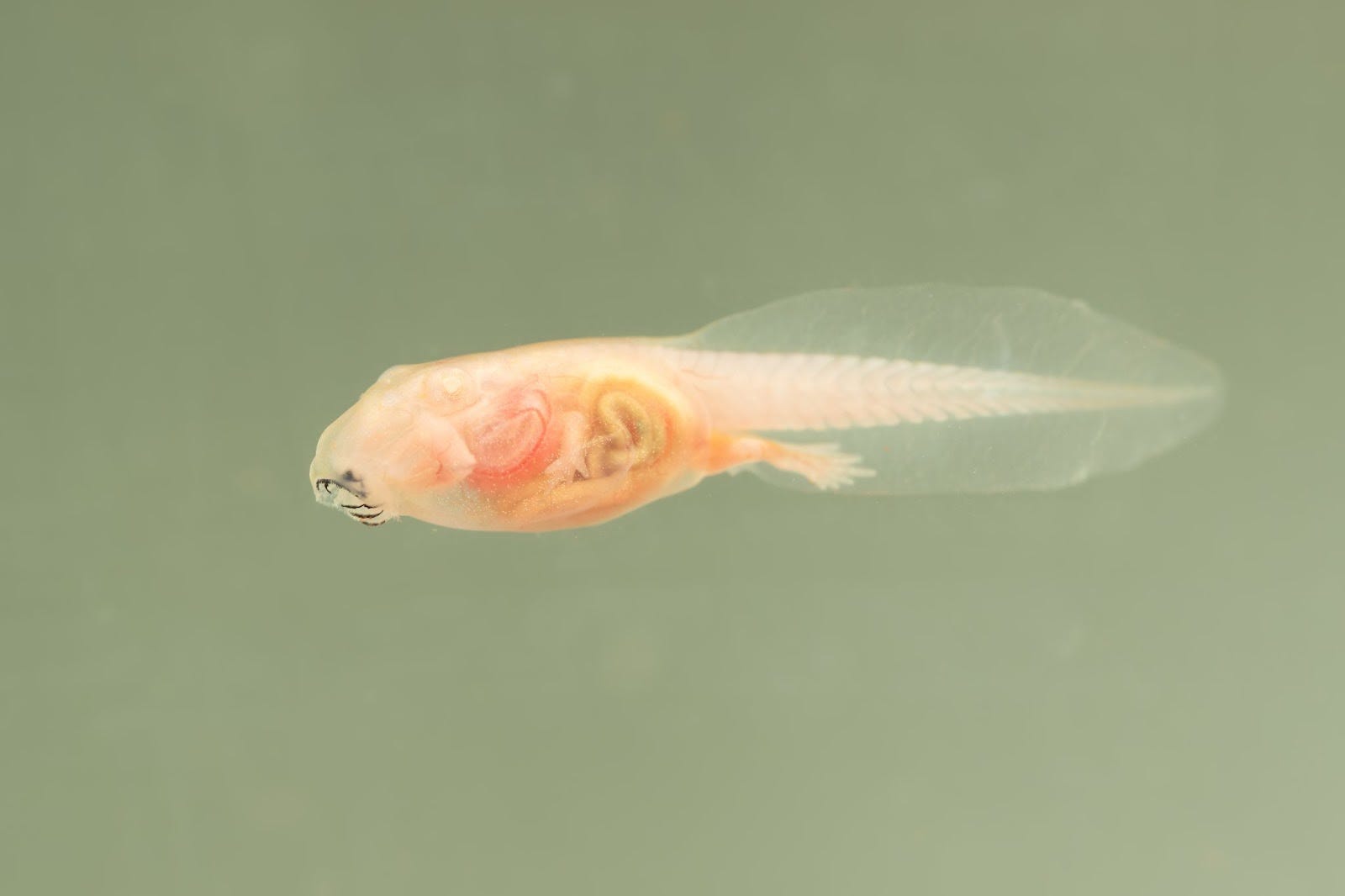
ARE WE WINNING THE WAR ON CANE TOADS?
Cannibalistic albino tadpoles might eradicate one of the worst invasive species in Australia. Themselves.
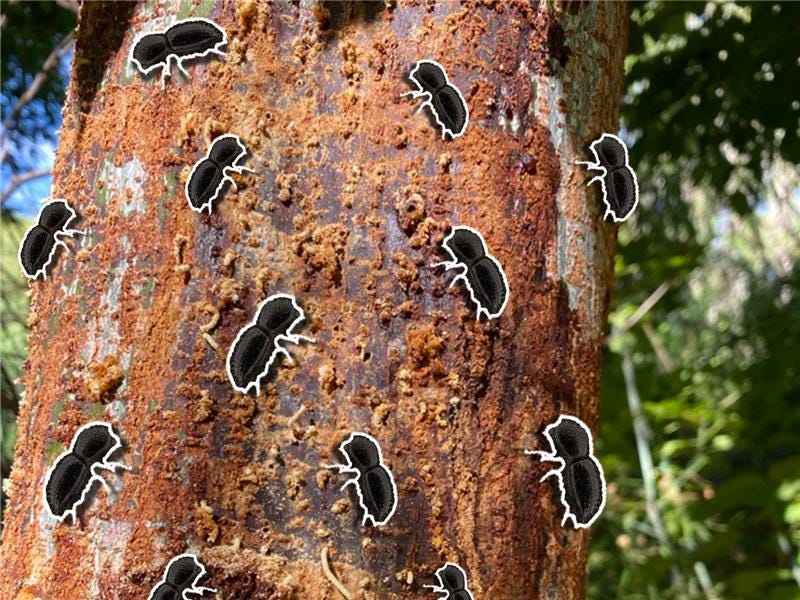
A BREAKTHROUGH IN MANAGING PSHB
Could lab-grown colonies be the answer to a PSHB-free WA?
Cane toads are so problematic for WA, we’re trying everything — including plumbing.
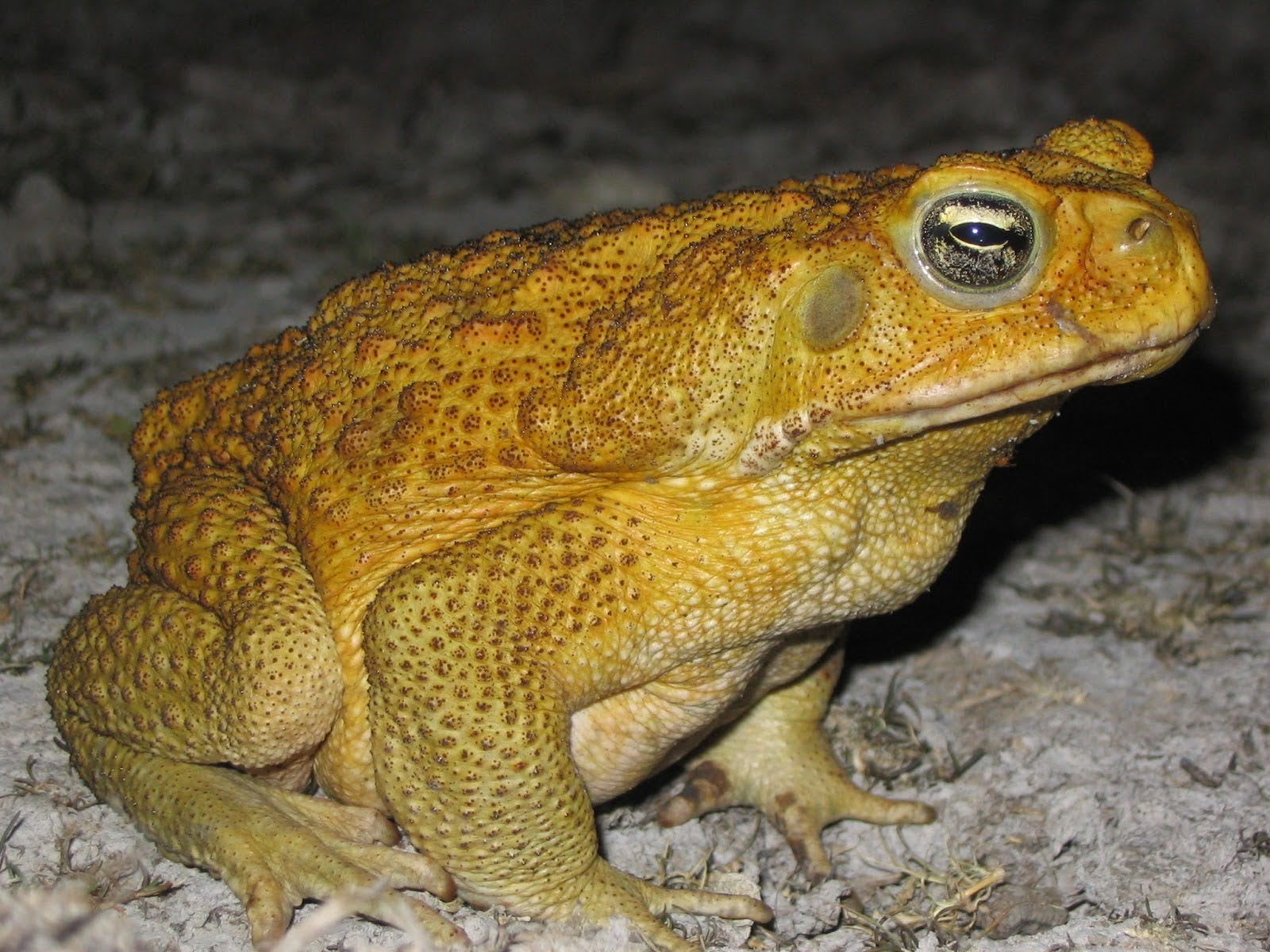
CAN DRYING THEM OUT STOP THE CANE TOAD'S’ INVASION OF WA?
Cane toads entered northeast Western Australia 15 years ago. Since then, their numbers have exploded and efforts to slow the toads’ trail of ecological destruction have failed.
Now, scientists are drawing a line in the sand to slow the spread of the toxic amphibian – the Toad Containment Zone.
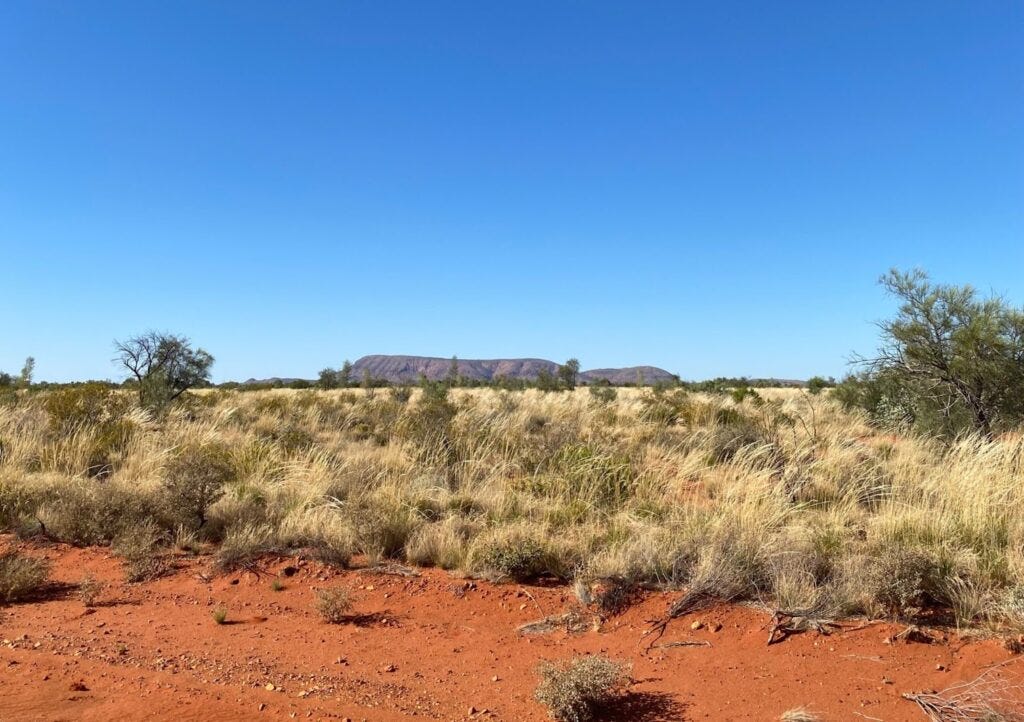
THE BATTLE AGAINST BUFFEL GRASS
Buffel grass is destroying Aussie landscapes and Aboriginal culture. Can we kill it with science?
I can’t write about biosecurity without acknowledging the problem of colonisation. A lot of plants and animals were brought to Australia to help white people ‘acclimatise’ and feel more ‘at home’. Barf.
Foxes and rabbits were brought to shoot, cats and dogs were brought as emotional support animals pets, and plants like buffel grass were brought over as feed for cattle.
Then of course, the foxes started eating their sheep (karma). But that’s a story for another day. I’ll leave you with a story about squirrels and the pursuit of acclimatisation.
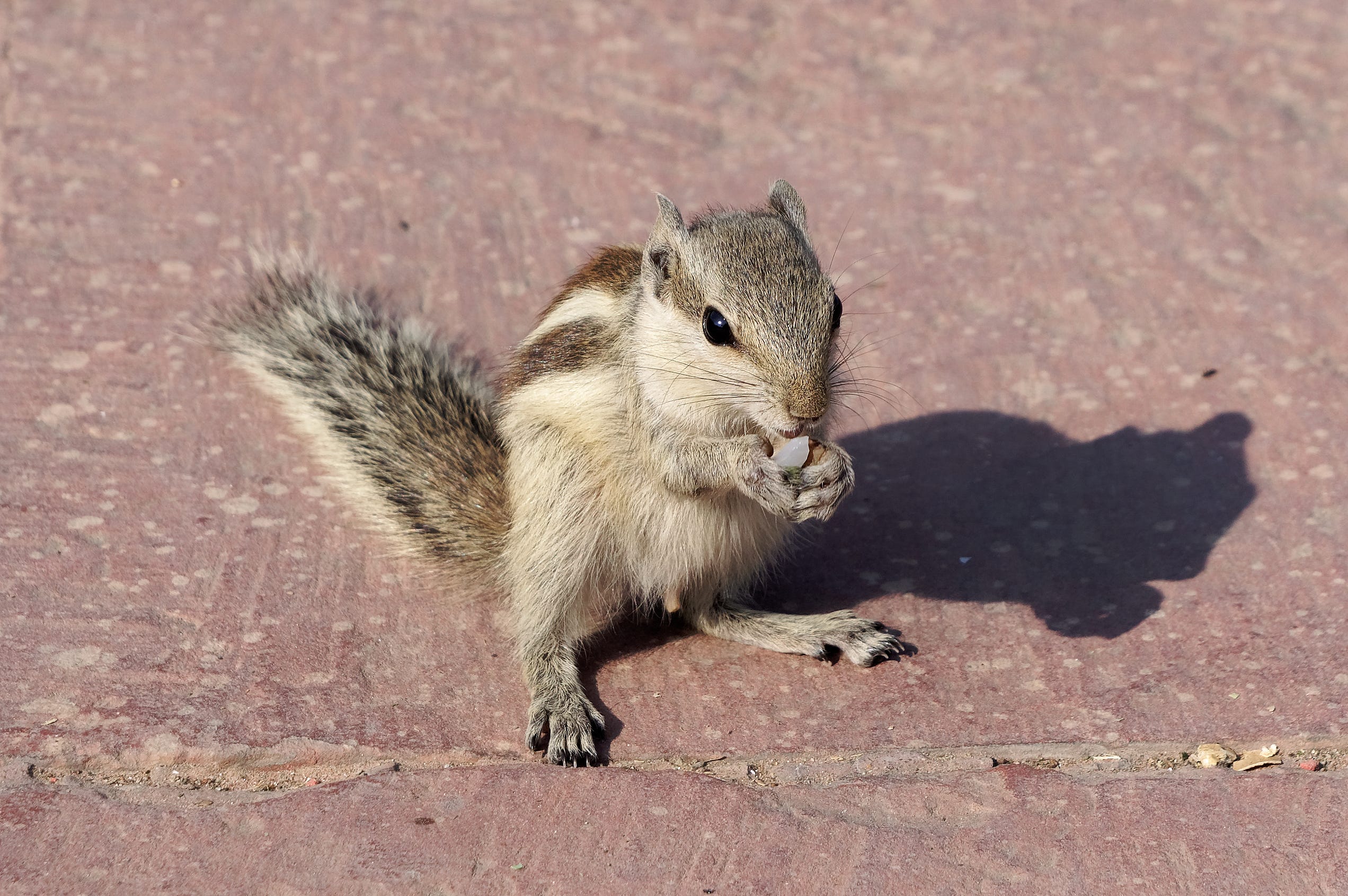
CUTE AND ON THE LOOSE: A HISTORY OF PERTH ZOO’S SQUIRRELS
There’s no denying it, squirrels are cute – a fact as universal now as it was back in 1898 when palm squirrels first arrived at the brand new Perth Zoo.
Initially kept in captivity, the palm squirrels were deliberately released into the zoo grounds for everyone to fawn over their bushy tail, white striped back and acrobatic moves.
We have the Western Australian Acclimatisation Committee, formed in 1896, to thank for the cute balls of fluff. The committee championed the acclimatisation movement, which was all about making European people arriving in Australia ‘more at home’ with their strange new surroundings.
That’s all from us… Goodbye for now!
To make sure you never miss out on a newsletter or updates, make sure you’re subscribed.